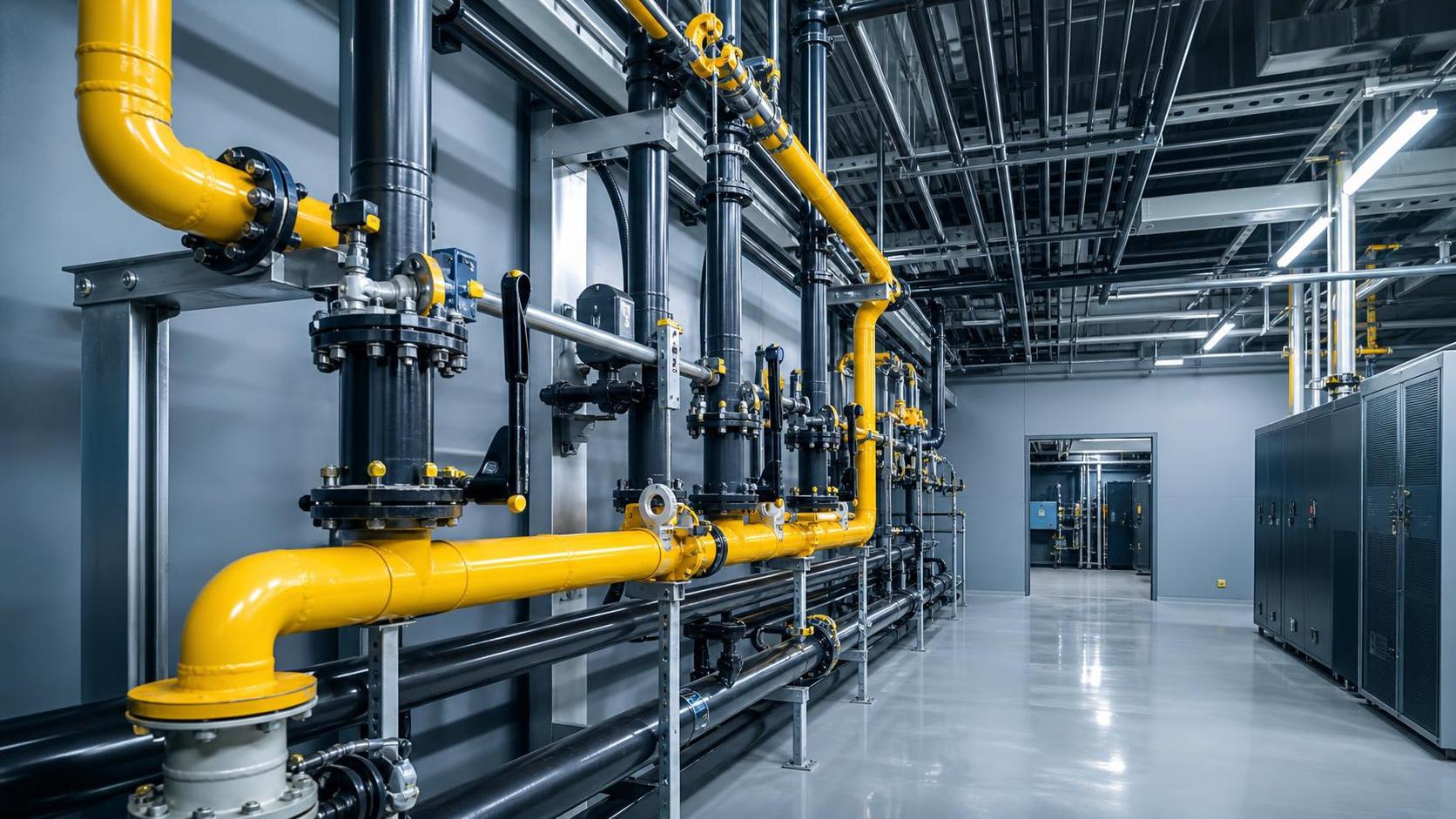
Gas Pipe for Commercial Buildings: Key Selection Factors for Safe Installation
Choosing the right gas pipe for commercial buildings is less about picking a familiar material and more about matching the pipe to how the building will actually operate. A restaurant kitchen with multiple high-demand appliances, a mixed-use tower with long riser runs, and a warehouse with rooftop mechanical equipment may all use fuel gas, but the decision points are not the same. Material strength, pressure class, corrosion exposure, routing constraints, and local code acceptance all affect whether a system remains reliable after turnover or becomes a recurring maintenance problem.
On commercial projects, the wrong decision rarely fails immediately. More often, it shows up as difficult pressure balancing, corrosion at supports, repeated rework where trades compete for ceiling space, or compliance issues discovered late in inspection. That is why gas pipe selection should start from the installation environment and system layout, not from a price sheet alone.
Where Pipe Choice Changes With Building Type
In food service buildings, the gas system is usually concentrated, heavily used, and expected to tolerate frequent cleaning, equipment replacement, and tight back-of-house layouts. This is one reason black steel pipe is still common in many commercial kitchens and boiler rooms. It is familiar to installers, widely recognized by codes, and mechanically robust where exposed piping may be bumped, modified, or extended later. The tradeoff is weight, threading or welding labor, and coordination difficulty in congested ceilings.
A hotel or hospital presents a different challenge. Long distribution runs, vertical shafts, and multiple equipment zones make pressure drop and support planning more important than the pipe material in isolation. A pipe that works well in a compact utility room may become inefficient if it increases joint count across long corridors or requires routing that conflicts with sprinkler mains, ducts, and cable trays. In these projects, engineering teams usually spend more time checking load diversity, regulator placement, and future access than debating one material in the abstract.
Retail shells and tenant fit-outs create another kind of risk: the gas installation may be technically correct on day one, then repeatedly altered as tenants change. In those environments, the best gas pipe solution is often the one that can be inspected, isolated, and extended without opening large finished areas. That does not automatically point to one product family, but it does push decision-makers toward systems with predictable joining quality and clear local approval history.
Material Selection Is Usually a Site Decision
Black steel remains the baseline reference in many commercial gas installations because it performs well under mechanical stress and is accepted across a wide range of building types. For exposed interior runs, plant rooms, meter rooms, and service spaces, that familiarity matters. Contractors know how it behaves, inspectors know what they are looking at, and owners can usually find technicians to modify it later.
That said, black steel is not automatically the best answer everywhere. If the route includes damp service corridors, exterior exposure, or areas with persistent condensation, corrosion resistance becomes a bigger concern. Galvanized steel may be considered in some jurisdictions and applications, but acceptance varies, and compatibility with local fuel gas rules should be checked before design decisions are locked in. Stainless steel systems, including corrugated stainless steel tubing where permitted for commercial use, may reduce installation time in certain layouts, but they bring their own constraints around support, protection, fitting selection, and code-specific limitations.
Copper is another material that must be treated carefully. In some regions and for some gas types, copper tube may be acceptable; in others, restrictions apply. The reason is not fashion. Gas composition, especially sulfur content and other contaminants, can affect long-term suitability. On projects with uncertain gas quality assumptions or cross-border specification habits, copying a detail from another market is a common mistake.
Pressure, Capacity, and the Problem of Oversimplified Sizing
One of the most expensive misunderstandings in commercial gas work is treating pipe selection as a diameter question only. In practice, pressure regime drives much of the design logic. Low-pressure systems serving clustered appliances behave differently from medium-pressure systems that reduce pressure closer to the point of use. Once a building gets larger, pipe size, regulator strategy, and allowable pressure drop are tied together.
This matters in buildings where equipment load is uneven. A bakery line, commercial laundry, or central water heating plant can create peak demand patterns that are not obvious from a simple connected-load total. If the engineer sizes the gas pipe only from nameplate aggregation without considering diversity, startup sequences, or branch length, the result may be a system that passes initial testing but performs poorly when multiple appliances fire at once.
For that reason, pipe material and joining method should be reviewed together with the pressure strategy. A material that seems economical can become less attractive if it forces larger sizes, more fittings, or more complicated routing to stay within pressure-drop limits. The total installed effect is what matters.
Corrosion Is Often Decided by Small Site Details
Commercial buildings create more varied exposure conditions than many specifications acknowledge. A pipe route may start in a dry meter room, cross a loading dock, pass through a washdown area, and terminate near rooftop equipment. Calling the whole system “indoor” or “outdoor” misses the real issue. Corrosion risk is usually local: trapped moisture at clamps, incompatible contact points between metals, damaged coatings after installation, and poorly protected wall penetrations.
In practice, these weak points matter more than broad material claims. A heavy-duty pipe can still fail prematurely if supports create crevice corrosion or if maintenance staff repeatedly remove and replace insulation badly. On some projects, the best decision is not switching materials but upgrading coating quality, sleeve protection, drainage detailing, or inspection access. Teams that wait until visible rust appears have already lost time.
Installation Method Affects Real Project Cost
Commercial gas pipe is often priced as material plus labor, but that still misses what happens on site. Threaded steel in a crowded renovation may require shutdown windows, fire-watch procedures for some hot work conditions, lifting equipment, and more coordination time with HVAC and electrical trades. A lighter or faster-installing system may reduce labor hours, yet if the crew lacks experience or the local inspector sees it rarely, the job can lose those gains in approvals and callbacks.
This is why experienced project managers ask a different question: which pipe system fits the labor market and inspection culture of this location? A technically suitable option is not automatically the safest schedule choice if trained installers are scarce. On high-pressure or mission-critical installations, execution quality usually outweighs any theoretical material advantage.
Renovation work deserves extra caution. Existing commercial buildings often contain undocumented reroutes, mixed material repairs, and limited shutdown opportunities. In those jobs, selection tends to favor what can be tied in with minimal uncertainty and tested cleanly. The neatest specification on paper may not survive contact with an older ceiling void full of surprises.
Code Compliance Is Not a Final Check Box
Gas systems in commercial buildings are governed by local fuel gas codes, building codes, fire safety requirements, and sometimes utility-specific rules. Standards such as NFPA 54 in the United States are often part of the conversation, but actual acceptance depends on jurisdiction, occupancy type, and authority having jurisdiction review. The practical lesson is straightforward: do not assume that a material or joining method accepted in one city, or in residential work, will transfer directly to a commercial building elsewhere.
This becomes especially important when design teams standardize details across multiple regions. A specification can be perfectly reasonable from an engineering standpoint and still cause delay if local submittal reviewers require a different support detail, venting arrangement, seismic restraint approach, or product listing. Getting these questions settled early is part of pipe selection, not a separate administrative task.
Questions That Usually Reveal the Right Direction
When teams are unsure which gas pipe system suits a commercial project, a few practical questions usually expose the answer faster than broad product comparisons:
- Will the pipe be exposed to impact, washdown, weather, or corrosive cleaning routines?
- Are the longest runs driving pressure loss more than the appliance connections are?
- How likely is tenant turnover, equipment replacement, or branch extension within the next few years?
- Can the selected system be installed and inspected confidently by the available local workforce?
- Where will future leak testing, valve servicing, and visual inspection actually take place?
Those questions sound basic, but they often uncover the gap between a generic design and a buildable one. The best gas pipe choice for commercial buildings is usually the option that remains stable across design, installation, inspection, and maintenance, not the one that wins a single comparison category.
A More Reliable Way to Decide
For most commercial projects, the right approach is to narrow the gas pipe selection through three filters at the same time: code acceptance, actual site exposure, and system layout performance. If a material is code-compliant but poorly suited to the building environment, it will create maintenance issues. If it performs well physically but complicates routing or local approval, it can slow the project. If it looks economical but increases labor uncertainty, the installed cost may move in the wrong direction.
That is why experienced teams review gas pipe decisions alongside routing studies, equipment loads, support conditions, and access strategy before procurement starts. In commercial work, pipe is not just a material line item. It is part of the building’s operating reliability. The closer the selection process stays to the real conditions of the site, the fewer surprises appear after the ceilings close and the system goes live.
Can't find what you're looking for ?
Leave a Message we will call you back quickly!
Product Classification